Sexual masochists receive pain and suffering for sexual pleasure. Many are curious to understand the root of their compulsions. Let’s shed some light on the mystery.

Masochists enjoy pain… yep, you heard that right. They like pain and suffering being inflicted upon themselves—sometimes by others. Or at least, they find it pleasurable. But why? This is a question as old as life itself (or so it seems), and science has yet to find a conclusive answer. Science’s understanding of sexual masochism and its opposite counterpart, sexual sadism, is incomplete.
Research has drawn links between masochism, sadism, and childhood trauma, yet the exact cause-and-effect relation is still misunderstood. In this article, we’ll attempt to break down the current consensus between them through as objective a lens as possible.
What is Sexual Masochism?
Now, let’s get something straight: masochism and sexual masochism are two different phenomena. Sexual masochists derive sexual gratification from their own suffering. This is distinct from the self-defeating personality type of a regular masochist. Some sexual masochists have masochistic personalities, but not all masochists are sexual masochists and vice versa.
Someone with a masochistic personality can be characterised as such if they regularly engage in self-sabotaging behaviours or ones that most people would define as painful, painstaking, or intolerable. But this is an umbrella term. Sexual masochism is more defined.
Sexual masochism is characterised as achieving sexual gratification from engaging in a range of masochistic behaviours. These can vary greatly, ranging from being humiliated to being spanked, to being bound, tied and/or gagged, etc. The range of common (and not-so-common) masochistic sex behaviours is too extensive to list here, but hopefully, you get the idea.
Lastly, and most notably, a sexual masochist is usually in search of a dominant partner (who is usually a sexual sadist) to be willing to inflict suffering upon them. More on sexual sadism specifically later in the article.
How Does Sexual Masochism Fit Into BDSM?
BDSM is an acronym covering various sexual behaviours, meaning: Bondage and Discipline, Dominance and Submission, and Sadism and Masochism. BDSM, as a sexual practice or orientation, consists of any sexual play where there are elements of power exchange between partners.

Sexual masochism makes up for the submissive and masochistic parts of BDSM sexual play. The masochist is the one receiving the discipline, domination, bondage, humiliation, pain, etc. Whereas the sexual sadist is the one administering those same things. Both partners, with opposite sexual preferences, receive sexual pleasure from partaking in such activities.
Sexual Masochism VS Sexual Masochism Disorder
There’s a distinction between sexual masochism, as a general sexual inclination/orientation, and Sexual Masochistic Disorder, as categorised in the DSM-5 (Diagnostic and Statistical Manual for Mental Disorders). Someone can only be diagnosed with Sexual Masochism Disorder if their sexual compulsions affect them negatively and have been doing so for a prolonged duration. Usually, this manifests as shame around sexual desires, or risk-taking, harmful behaviour—to the self or to others—to achieve sexual gratification.
Likewise, Sexual Sadism Disorder is distinct from sexual sadism as a behavioural phenomenon. And, to be diagnosed with it, according to the DSM-5, an individual must exhibit clear mental distress as a result of their persisting sexually sadistic compulsions.
What is Sexual Sadism?
The opposite of sexual masochism is sexual sadism—deriving sexual pleasure from inflicting suffering on someone else. Sexual sadism can manifest itself in as wide a variety of sexual behaviours as sexual masochism. Where a masochist might like to be choked for sexual pleasure, a sadist might find it pleasurable to do the choking. The same can be said for a whole host of sexual interactions.
Like sexual masochism, sexual sadism is also distinct from its personality counterpart, sadism, although there have been studies showing a correlation between sadistic, narcissistic and psychopathic personality traits and sadistic sexual inclinations. Sadism is defined as a general finding of pleasure in the suffering inflicted on others. The main difference between personality traits masochism and sadism is that sadism presents itself as a dark tetrad personality trait, alongside psychopathy, Machiavellianism, and narcissism—more on that down the page.

You might think that sexual sadism and sexual masochism are, therefore, matches made in Heaven. And this may be true in some cases for consenting adults whose integrated sexualities don’t seep into other areas of their relationship(s). Still, for those whose sexual desires cause psychological distress, the case is more complex. The bond can be more comparable to a match made in Hell.
The Link Between Sexual Masochism and Childhood Trauma
There have been multiple studies (Abrams, Chronos, & Milisavljevic Grdinic, 2022; Weierstall & Giebel, 2017; Wismeijer & van Assen, 2013) linking BDSM as a whole to childhood trauma, suggesting that paraphilias overall might be maladaptive ways of the human nervous system attempting to reenact childhood trauma in a safe environment as a method of processing unprocessed trauma and grief. Interestingly, we can see that different types of trauma can result in different paraphilias (Bancroft, 2009; Krueger, 2010).
We also know that human sexuality, once developed, is pretty much fixed and static. That’s to say, sexual orientation is mostly unchangeable. We have seen this exemplified over decades with the continued failure of success in homosexuality conversion therapy (American Psychological Association, 2009). Desires themselves may fluctuate in potency over time, as seen with porn usage, but the primary sexual orientation itself seems to be impossible to change. In fact, such efforts to suppress them seem to exacerbate sexual desires and compulsions even more.

This is important because, when we consider that human sexual development begins in childhood, if a childhood is traumatic and the individual receives a distorted version of parental intimacy, we can see it as plausible for the dysfunction to permanently imprint itself on the individual’s sexual tendencies for their remaining lifespan. This leads to sexual dysfunction and paraphilias, as well as a distorted idea of the self and interpersonal intimacy (van der Kolk, 2014).
Modern attachment theory, pioneered by John Bowlby and Mary Ainsworth, supports this by showing that our earliest relational dynamics with caregivers form blueprints for adult intimacy. When those dynamics are abusive, the child develops insecure or disorganised attachment styles, which can profoundly distort adult sexuality (Bowlby, 1969; Ainsworth et al., 1978). Furthermore, as renowned trauma expert Bessel van der Kolk notes in The Body Keeps the Score, unprocessed trauma is stored somatically in the body; thus, the nervous system may later attempt to discharge or master this stored trauma through reenactment behaviours, including paraphilias.
CPTSD (Complex Post-Traumatic Stress Disorder)
Now, we’re going to switch gears slightly by covering something that may, at first, appear irrelevant to the topic at hand. However, I assure you, by the end of this read, it’ll all make sense. We’ll continually link this back to sexual masochism and how it relates.
What is Complex PTSD?
As of relatively recent times, the scientific field of psychology discovered that PTSD (Post-Traumatic Stress Disorder) is not just something war veterans can be afflicted with. And it can manifest itself in a plethora of ways that weren’t originally considered. In fact, a large number of previously isolated personality disorders and mental health conditions have been inextricably linked to PTSD. They are essentially maladaptations of the nervous system. And so is sexual masochism.
A maladaptation is an adaptation of an organism that initially helped it to survive a threat or stressful situation, but persists after the threat or stressor is no longer present. This is the main component ot PTSD and CPTSD. The maladaptation occurs as a dissociative response to a perceived threat.
An organism becomes afflicted with PTSD when they experience a highly stressful, life-threatening situation, and their nervous system escalates from the fight-or-flight response into the freeze response. In this state, the nervous system’s threat detection has basically accepted certain death. When this happens, the nervous system floods the body with stress hormones, causing the subject to dissociate from their present circumstance in one form or another. This is essentially Mother Nature’s administration of a natural relief to cope with the harsh reality of death.

What happens if the organism survives after its nervous system has already accepted death and has been sent into this dissociative freeze response? This is when the subject is at risk of developing PTSD.
In animals, the nervous system is more easily capable of dispelling the pent-up stress and achieving homeostasis—a process somatic experiencing pioneer Peter Levine describes as 'completing the biological stress cycle' (Levine, 1997). In humans, the process is more complicated due to more complex dynamics and physiological and cognitive processes at play. PTSD is caused when the nervous system fails to fully restore homeostasis, and the memory of the threat compels the same dissociative adaptation to activate in future, even when the threat isn’t actually present (American Psychiatric Association, 2013).
The Difference Between CPTSD and PTSD
The difference between CPTSD and PTSD is as follows. PTSD is caused by a single, isolated incident where the nervous system fails to achieve homeostasis after entering the freeze response. CPTSD is caused by continued exposure to such situations, often across long periods of time. CPTSD is essentially a compounding of many individual PTSD experiences.
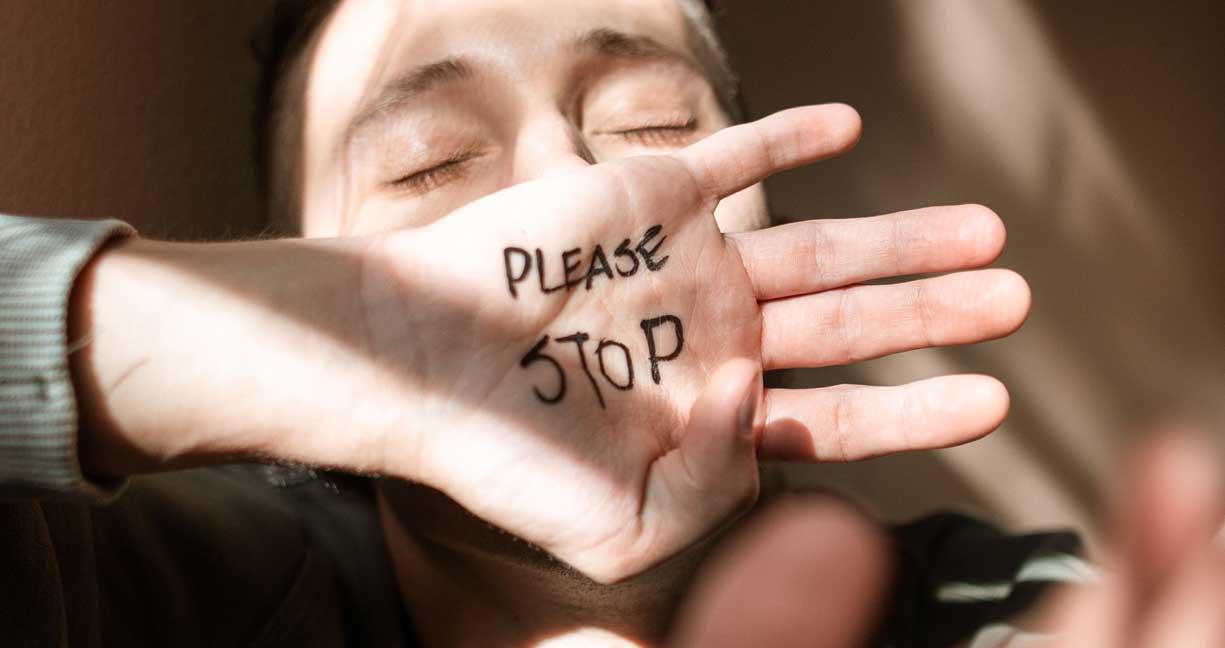
You can imagine a child who grows up in an abusive household, where violence is the norm, and is exposed to continual incidents where their fight, flight, or freeze response is activated. In such situations, a child is never told that what they are experiencing is abnormal. They aren’t given a breakdown of how trauma works, as has just been given to you. Instead, they learn that this high-stress environment and traumatised nervous system is normal. PTSD becomes their default state. This is a tragedy.
That’s when CPTSD most often occurs. However, it can also occur in victims of domestic abuse or prisoners, where individuals are exposed to similar, continuous traumatic experiences over long periods of time.
Why Sexual Masochism is Likely a CPTSD Response
Now that you understand what CPTSD is and what a maladaptation of the nervous system is in response to highly stressful stimuli, can you see how sexual masochism relates?

If we take the fact that different types of trauma can manifest themselves as different types of paraphilias, we can begin to see how paraphilias themselves might represent specific dissociative responses to specific types of dysfunctional intimacy that children were unfortunately exposed to in their developmental years.
Research shows that childhood abuse disrupts natural sexual development, with one manifestation being increased tendencies toward sexual paraphilias, especially sexual masochism (Bancroft, 2009; Krueger, 2010). This suggests that, for a significant subset of individuals, masochistic behaviours are a coping mechanism and survival response.
As previously stated, most children who grow up with a skewed version of intimacy believe that their experience was normal. There are plentiful, perhaps even the majority, of CPTSD cases where the afflicted are completely oblivious to their own affliction. It is only with clinical intervention that individuals become aware of the abnormalities at play. This suggests that we cannot take individuals’ words at face value when they claim their childhood wasn’t so bad, and that their sexual masochism is not a trauma response.

To test this theory, it’s necessary to gain a concrete insight into the exact chronology of their childhood and what events took place during their developmental years.
What is Narcissistic Abuse and How Does It Relate to Sexual Masochism?
Narcissistic abuse is a form of emotional and psychological abuse characterised by manipulation, exploitation, and a lack of empathy from someone with narcissistic traits. Unlike physical abuse, narcissistic abuse targets a person's identity, self-worth, and reality through gaslighting, devaluation, and intermittent reinforcement.
The connection to sexual masochism becomes evident when we consider that narcissistic abuse often involves power imbalances where the victim learns to associate love and attention with submission and self-sacrifice. The victim may develop a trauma bond where they feel compelled to please the narcissist at their own expense; a dynamic that mirrors the power exchange in BDSM relationships.
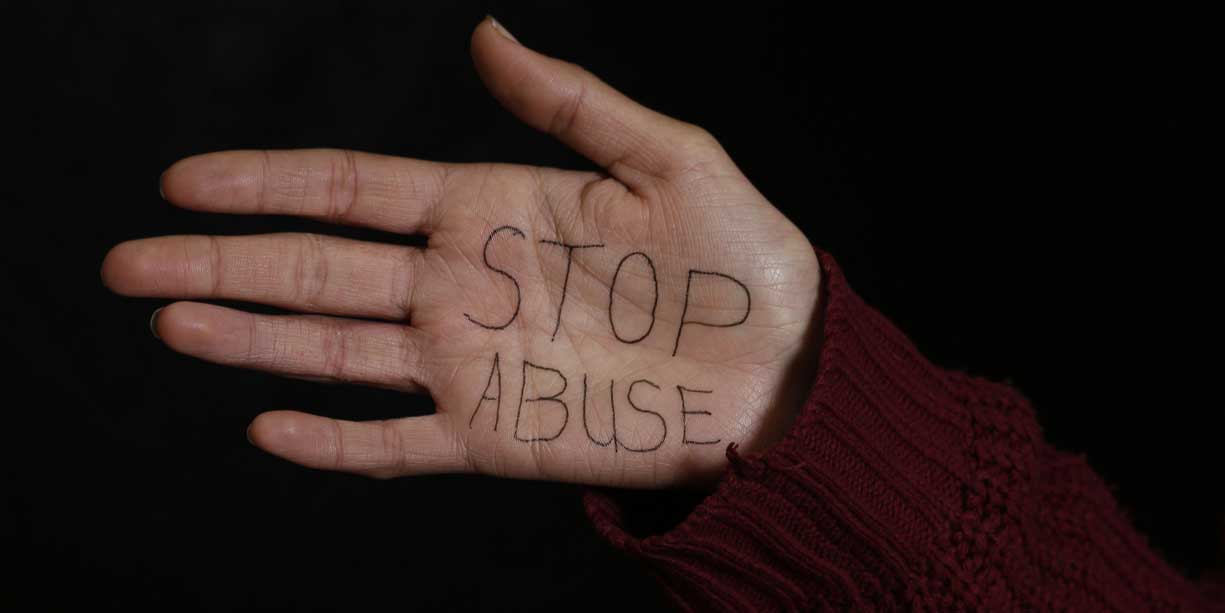
Think about it. A victim of narcissism has their own empathy weaponised against them by the manipulator (the narcissist). They learn to put their own needs secondary to please. In trauma psychology, this is known as the 'fawn' response, the fourth survival mechanism alongside fight, flight, and freeze, where a victim attempts to avoid conflict by appeasing and caring for the abuser (Walker, 2013). They learn to fawn over the narcissist to survive. The sexual style of a sexual masochist directly reflects this.
The Overlap Between Sexual Sadism and Dark Tetrad Traits (Psychopathy and More)
The dark tetrad personality traits are the standard scientific metrics we use to measure and observe dark personality types and behaviours in humans. It’s common consensus that there are four overlapping traits, with the original Dark Triad only consisting of three: psychopathy, narcissism and Machiavellianism. Sadism was added relatively recently, in 2013.
We already know that there is a strong correlation between dark tetrad traits, where someone scoring high in one is likely to score higher than average in others as well. There has been research (Jones & Paulhus, 2014; Book et al., 2016) linking preferences for sexual sadism to dark tetrad psychological traits, meaning that dark personalities are more likely (though not guaranteed) to find sadistic stimuli sexually arousing. Psychopaths and narcissists are more likely to be sexual sadists, so why would it be inapplicable to draw the link between their victims and sexual masochists? If sadism has its own personality trait, distinct from its sexual counterpart, why doesn't masochism?
Research indicates that:
- The Dark Tetrad traits are connected to childhood abuse, suggesting a cycle where trauma may contribute to the development of these traits (Jonason et al., 2015; Schimmenti et al., 2017).
- Those with higher levels of psychopathy and sadism may be more likely to engage in non-consensual sexual behaviours (Buckels et al., 2013; Knight, 2010).
- Narcissistic individuals may engage in sexual coercion as a form of retaliation or dominance assertion (Ryan et al., 2010; Bush-Mecozzi et al., 2016).
Research indicates that abused females exhibited more masochistic preferences than non-abused females, suggesting a potential link between gender-specific abuse patterns and masochistic tendencies (Noll et al., 2003; Messman-Moore & Long, 2003). This may reflect how girls are often socialised to be more accommodating and relationship-focused, making them more vulnerable to narcissistic abuse and subsequent masochistic patterns.
What is Stockholm Syndrome?
Stockholm Syndrome is a psychological response where hostages or abuse victims develop positive feelings toward their captors or abusers. First identified in a 1973 bank robbery in Stockholm, Sweden, this phenomenon involves:
- Positive feelings toward the abuser
- Negative feelings toward authorities or rescuers
- Supportive behavior toward the abuser
- Inability to engage in behaviours that might lead to the abuser's capture or punishment

How Stockholm Syndrome and Sexual Masochism Link
In cases of Stockholm Syndrome, we can see clear as day that victims of narcissistic abuse can end up oblivious to their own victimhood, and even defend the person abusing them. This happens to children in narcissistic households, as well as partners in abusive relationships. So, would it really be that crazy to conclude that sexual masochism is just another form of the same dynamic? In sexual masochism, the masochist is quite literally volunteering to suffer for their partner’s amusement, and has even become wired to find the experience pleasurable themselves.
Stockholm Syndrome and sexual masochism share a common foundation in trauma bonding. Both involve:
- The development of positive feelings toward those who cause harm
- The association of pain with care and attention (or even pleasure)
- The internalisation of the abuser's perspective
- The adaptation of survival mechanisms into lasting patterns
In narcissistic abuse, Stockholm Syndrome often develops as victims learn to identify with their abusers to survive emotionally. This traumatic bonding process can later manifest as sexual masochism, where the survivor recreates the power dynamics in a consensual context but with similar psychological patterns.
The link between Sexual Masochism and Narcissistic Victim Syndrome (NVS)

Narcissistic Victim Syndrome (NVD) is a term coined over the last couple of decades, covering the specific type of CPTSD caused by prolonged exposure to narcissistic abuse.
The overlap between sexual masochism and narcissistic abuse is striking. Both involve:
- Power imbalances where one person submits to another's will
- The association of pain/pleasure with approval and affection
- The development of trauma bonds through intermittent reinforcement
- The internalisation of worthlessness and the need to please others
Conclusion
It would be unfair to say that all BDSM cannot be practised safely, and to diagnose the entire populace of those who participate as mentally ill; however, we do know that sexually risque behaviour is higher in those who have experienced prior abuse (Briere & Runtz, 1988). And we also know that, unfortunately, among the BDSM community in particular, there is a flux of sexually risque behaviour.
There appears to be a significant correlation between narcissistic abuse and sexual masochism that cannot be ignored. While it’s possible that not every instance of sexual masochism is rooted in trauma, understanding the clear correlation and investigating it further can help differentiate between healthy, consensual BDSM practices and potential trauma responses that may benefit from therapeutic intervention.
For those whose masochistic tendencies cause distress or stem from trauma, recognising the connection to narcissistic abuse and the 'fawn' survival response can be an important step toward healing. As Peter Levine and Bessel van der Kolk's work demonstrates, trauma is held in the body; by recognising the roots of our survival adaptations, individuals can begin the work of regulating their nervous systems and developing healthier relationship patterns.
FAQs
Where does Sexual Sadism get its name?
Sexual sadism, and sadism in general, get their names from the French writer, libertine, political activist, and nobleman, Marquis de Sade. De Sade was a self-proclaimed sexual sadist, fervent in his publication of several libertine literary works of a sadistic nature, including the notorious 120 Days of Sodom. He was imprisoned for sex crimes, further evidencing the notion that sexual sadism has a high correlation with genuinely risque, psychopathic behaviour.
Where does Sexual Masochism get its name?
Similar to sadism, masochism was named after a writer—this time, an Austrian one: Leopold von Sacher-Masoch. Also similarly to Marquis de Sade (the man ‘sadism’ was named after), von Sacher-Masoch was, himself, afflicted by the condition. He too wrote many books, including the most famous ‘Venus in Furs’, which explored themes of female domination and male sexual submission.
Is it possible to live with Sexual Masochism healthily?
Yes. In fact, many people with sexually masochistic tendencies do so without exhibiting signs of distress and without causing real harm to themselves or others. Many couples engage in SSC (Safe, Sane and Consensual) BDSM practices where roles and acts are negotiated before engaging in sexual play. In such relationships, there is a clear distinction between play time and real life.
Is it possible to live with Sexual Sadism healthily?
Yes. Just like sexual masochism, it is possible for someone who finds inflicting pain and suffering on others arousing to do so in a healthy manner. The distinction comes from having proper education around the cause and effect of the condition. If consenting partners are happy to practise BDSM in the bedroom and leave the dynamic separate from the rest of their livelihood, it can be considered just a normal part of human sexual expression.
Can I get rid of sexual masochism?
Unfortunately, there has been no conclusive research to indicate long-term success of ‘getting rid of’ one’s sexual orientation, whether masochistic, sadistic, or vanilla. The intensity and extremity of one’s sexual interests may fluctuate across the lifespan, but the orientation itself seems to be fixed and unchangeable. In fact, attempts to suppress one’s sexual desires seem to only make compulsions stronger.
Is sexual masochism a fetish?
Sexual masochism can be considered a fetish; however, it would be more appropriate to call it an umbrella term for many different types of fetishes. For example, a foot fetish is a type of fetish often possessed by those with sexually masochistic tendencies. In the same vein, a masochist might also have a fetish for boots, choking, or wearing a chastity device.
Is femdom sexual masochism?
The word ‘Femdom’ (or female domination) is usually used to refer to a category of pornography or sexual behaviours involving a female sexual sadist with a male or female submissive/masochist. This means, femdom inherently involves sexual masochism and sexual sadism.
Are sexual masochism and sexual sadism sexual deviancies?
‘Sexual deviancy’ is a relatively old term used to describe any sexual inclination that deviates from what is considered normal. However, the term soon became used in a derogatory manner, used to alienate those with compulsions they cannot control. Because of this, the term is not viewed in a positive light in the modern world. However, by sheer definition, yes, sexual masochism and sadism are both considered sexual deviancies.
Bibliography
Ainsworth, M. D. S., Blehar, M. C., Waters, E., & Wall, S. (1978). Patterns of attachment: A psychological study of the strange situation. Lawrence Erlbaum.
American Psychiatric Association. (2013). Diagnostic and statistical manual of mental disorders (5th ed.).
Book, A., Visser, B. A., Blais, J., Hosker-Field, A., Methot-Jones, T., Gauthier, N. Y., ... & D'Agata, M. T. (2016). Unpacking more "evil": What is at the core of the Dark Tetrad? Personality and Individual Differences, 90, 269-272.
Bowlby, J. (1969). Attachment and loss: Vol. 1. Attachment. Basic Books.
Briere, J., & Runtz, M. (1988). Multivariate correlates of childhood psychological and physical maltreatment among university women. Child Abuse & Neglect, 12(3), 331-341.
Buckels, E. E., Jones, D. N., & Paulhus, D. L. (2013). Behavioral confirmation of everyday sadism. Psychological Science, 24(11), 2201-2209.
Bush-Mecozzi, M., Simms, L. J., & Clark, L. A. (2016). The interpersonal nexus of personality and psychopathology: Dark tetrad traits and interpersonal circumplex. Journal of Personality Disorders, 30(6), 776-797.
Jonason, P. K., Lyons, M., & Bethell, E. J. (2015). The making of Darth Vader: Parent–child care and the Dark Triad. Personality and Individual Differences, 79, 121-125.
Jones, D. N., & Paulhus, D. L. (2014). Introducing the Short Dark Triad (SD3): A brief measure of dark personality traits. Assessment, 21(1), 28-41.
Knight, R. A. (2010). Is a diagnostic category for paraphilic coercive disorder defensible? Archives of Sexual Behavior, 39(2), 419-426.
Levine, P. A. (1997). Waking the tiger: Healing trauma. North Atlantic Books.
Messman-Moore, T. L., & Long, P. J. (2003). The role of childhood sexual abuse sequelae in the sexual revictimization of women. Clinical Psychology: Science and Practice, 10(3), 279-291.
Noll, J. G., Trickett, P. K., & Putnam, F. W. (2003). A prospective investigation of the impact of childhood sexual abuse on the development of sexuality. Journal of Consulting and Clinical Psychology, 71(3), 575-586.
Ryan, K. M., Weikel, K., & Sprechini, G. (2010). The Dark Triad: The relationships among narcissism, Machiavellianism, and psychopathy in a sample of college students. Personality and Individual Differences, 49(7), 789-794.
Schimmenti, A., Jonason, P. K., Passanisi, A., La Marca, L., Di Domenico, A., & Verrocchio, M. C. (2017). Exploring the dark side of personality: Childhood emotional trauma and the dark tetrad. Journal of Interpersonal Violence, 32(16), 2427-2443.
van der Kolk, B. A. (2014). The body keeps the score: Brain, mind, and body in the healing of trauma. Viking.
Walker, P. (2013). Complex PTSD: From surviving to thriving. Azure Coyote.